
Creating a Culture of Peace
Training in Nonviolent personal and social change
Basic Training
The goal of C.C.P. training is to equip groups to develop and implement projects to make nonviolent social change in their communities.
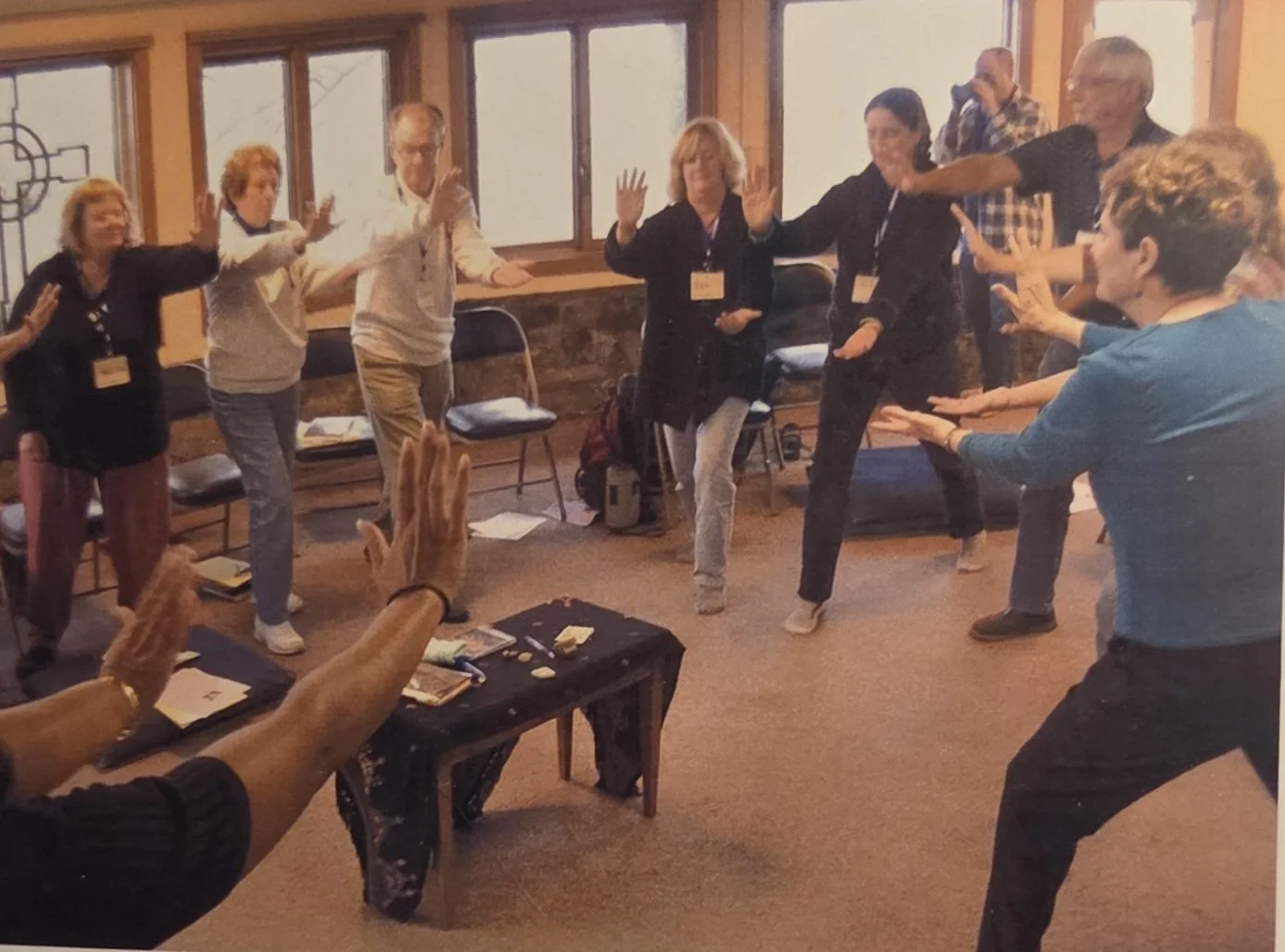
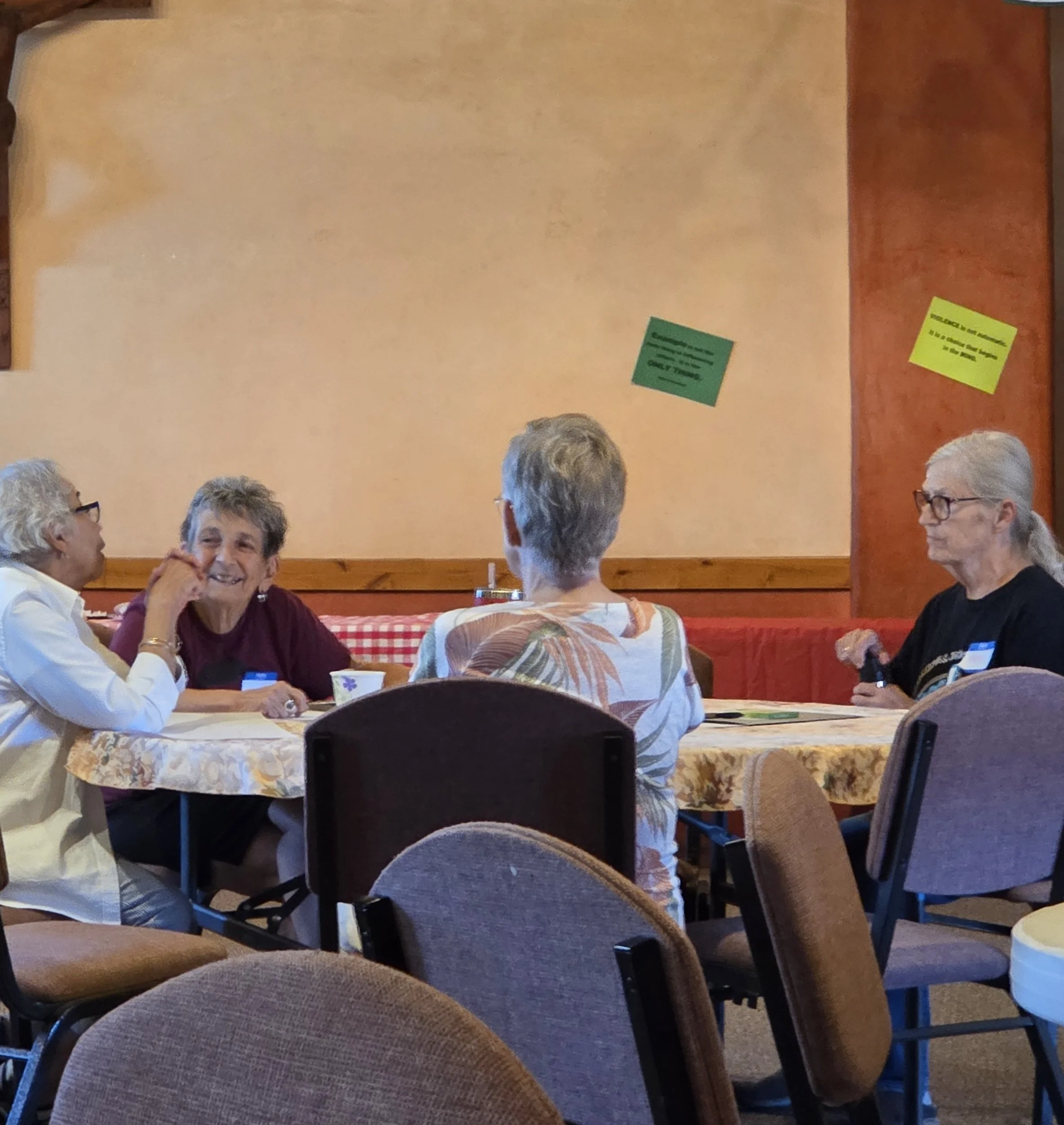
The learning process is based on Paulo Frere's Popular Education model. It is highly participatory and includes ritual, exercises, role plays, story telling, drawing, discussion, private reflection and journaling.
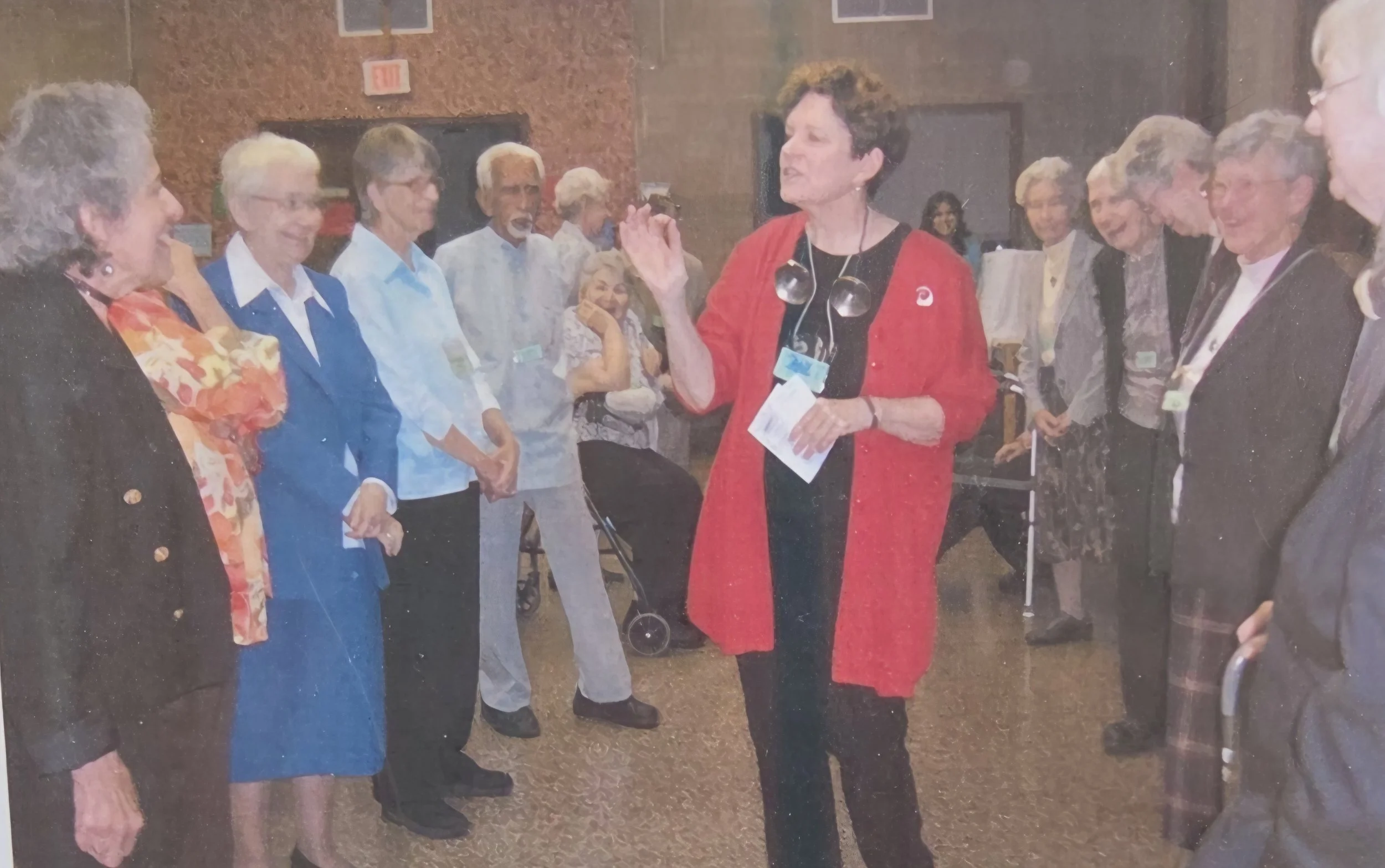
The training is composed of five modules which build one on the other culminating in action planning.
1. The nature of violence.
2. Active Nonviolence.
3. Nonviolent Social Change
. 4. Community building.
5. Nonviolent social change planning.
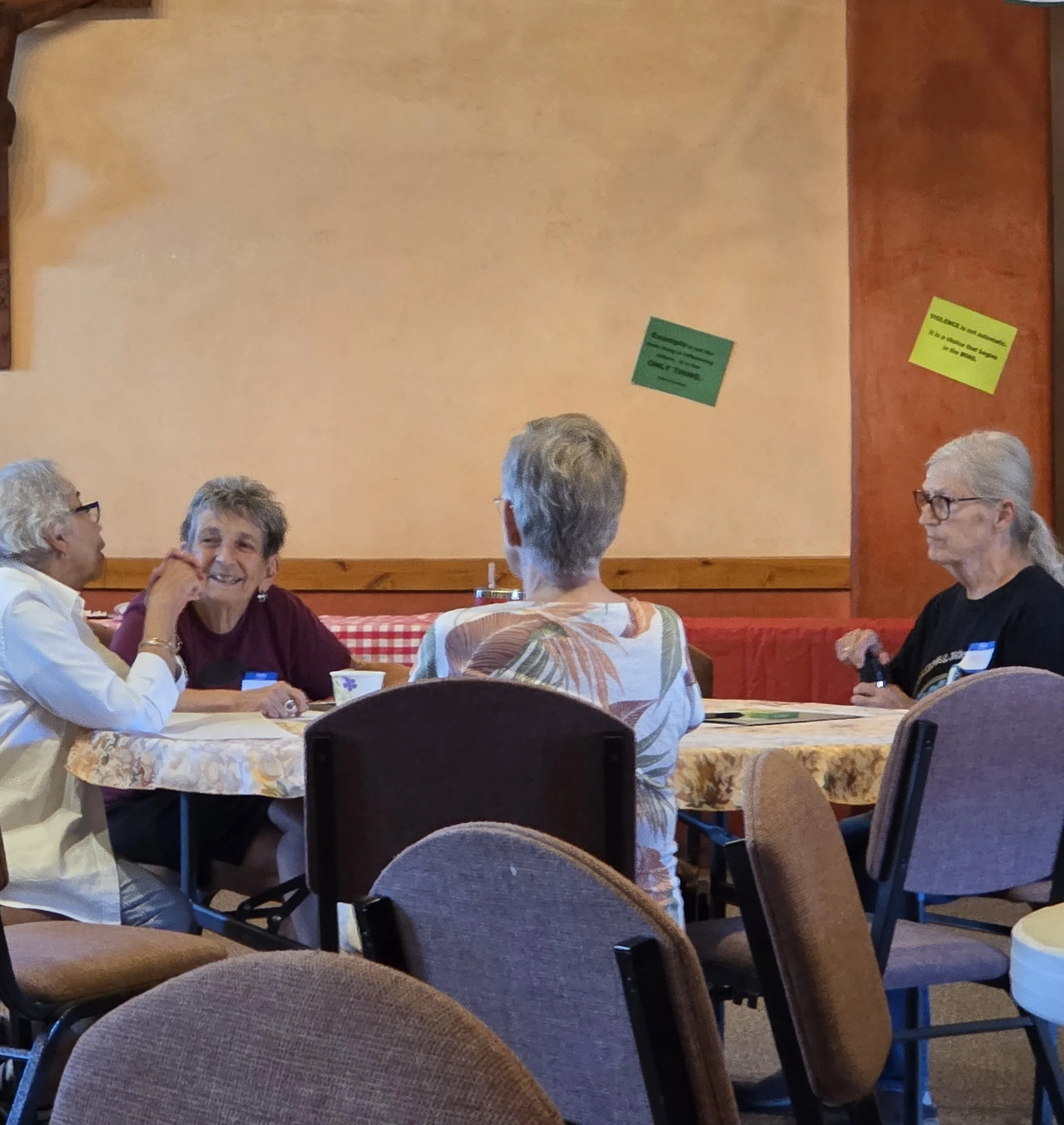
Throughout the training certain core principals are emphasized.
“All are wounded and all are sacred.”
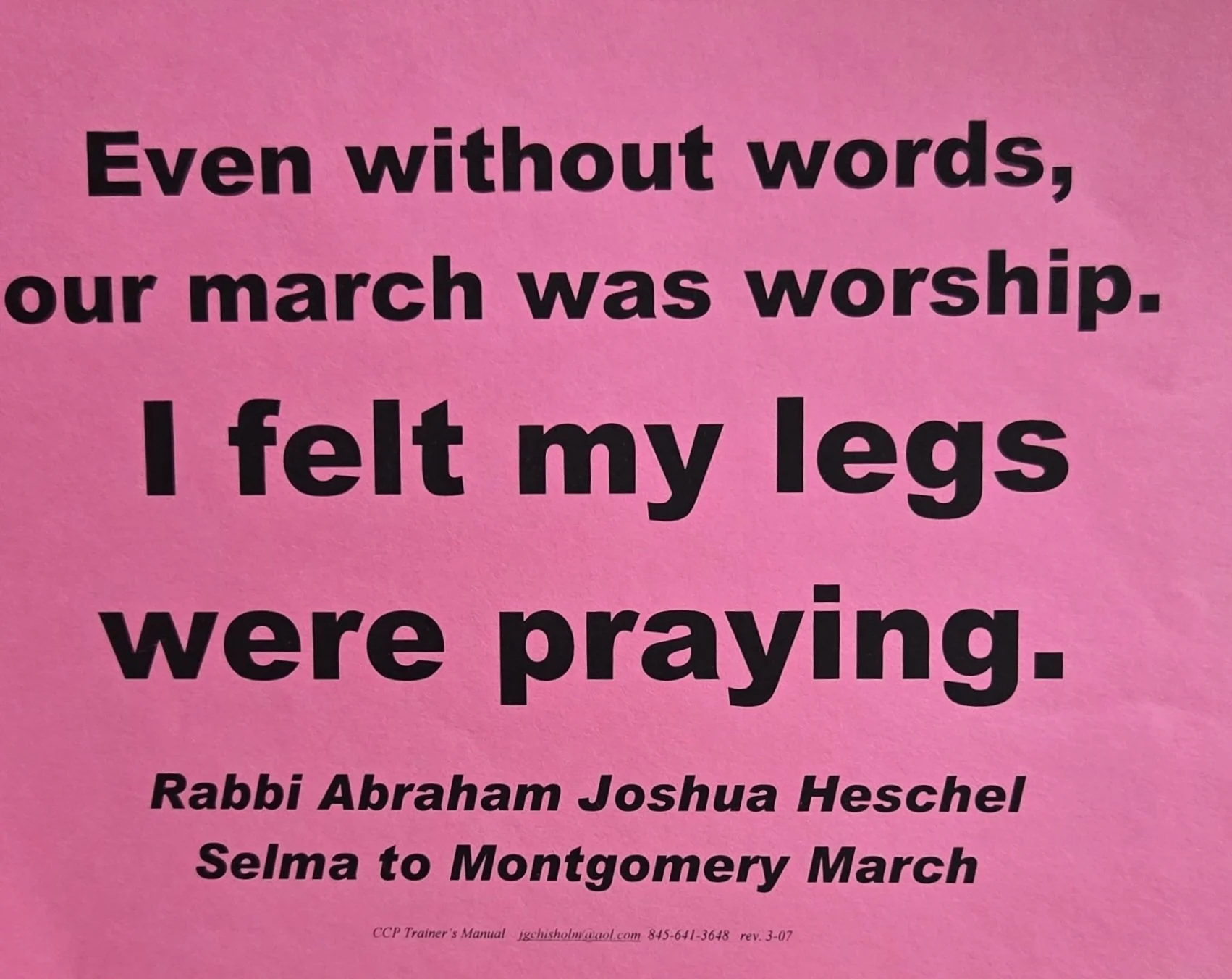
“Without the support of the people, movements cannot succeed, and becoming violent will lose that support.”
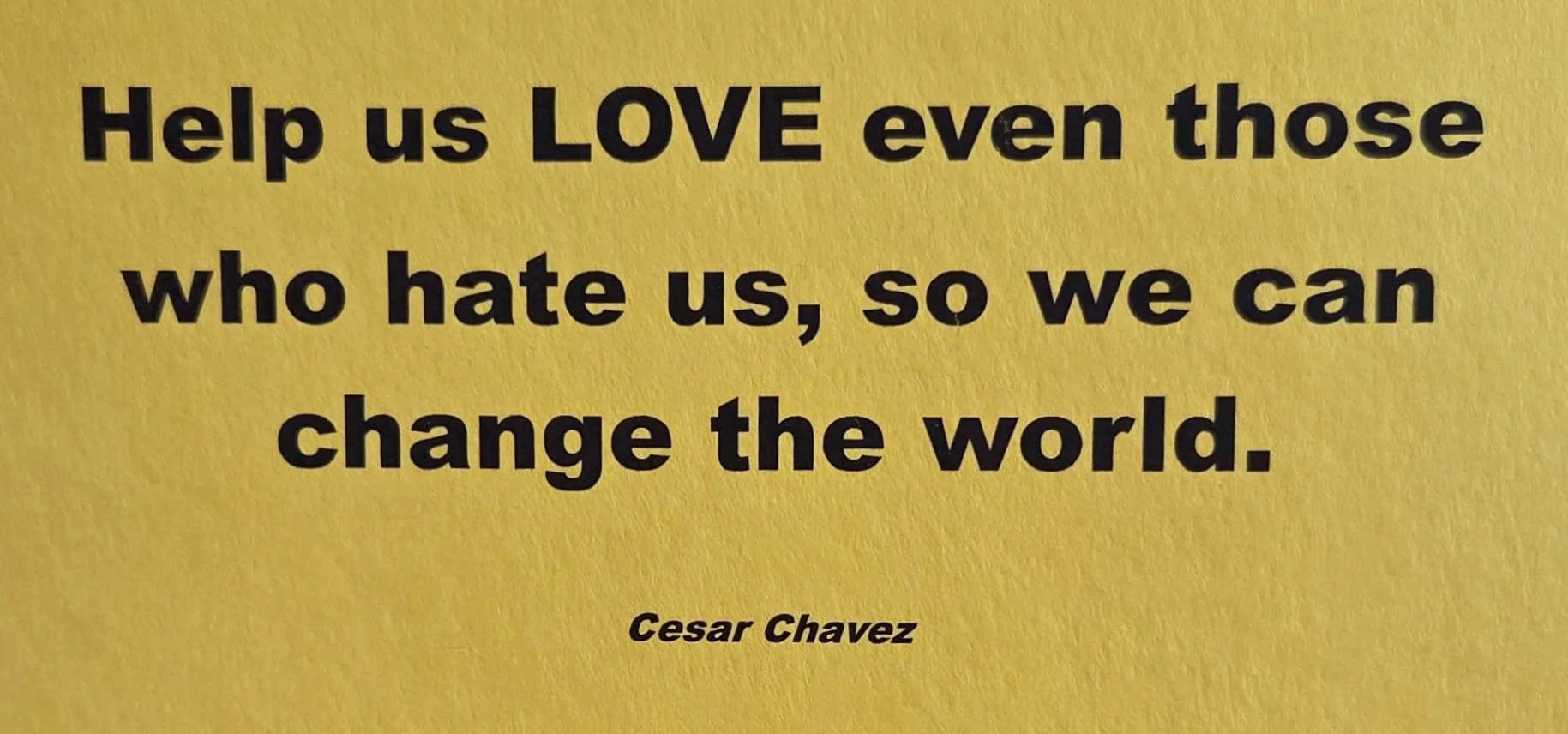
“Nonviolence is not a tactic; it is a way of life.”
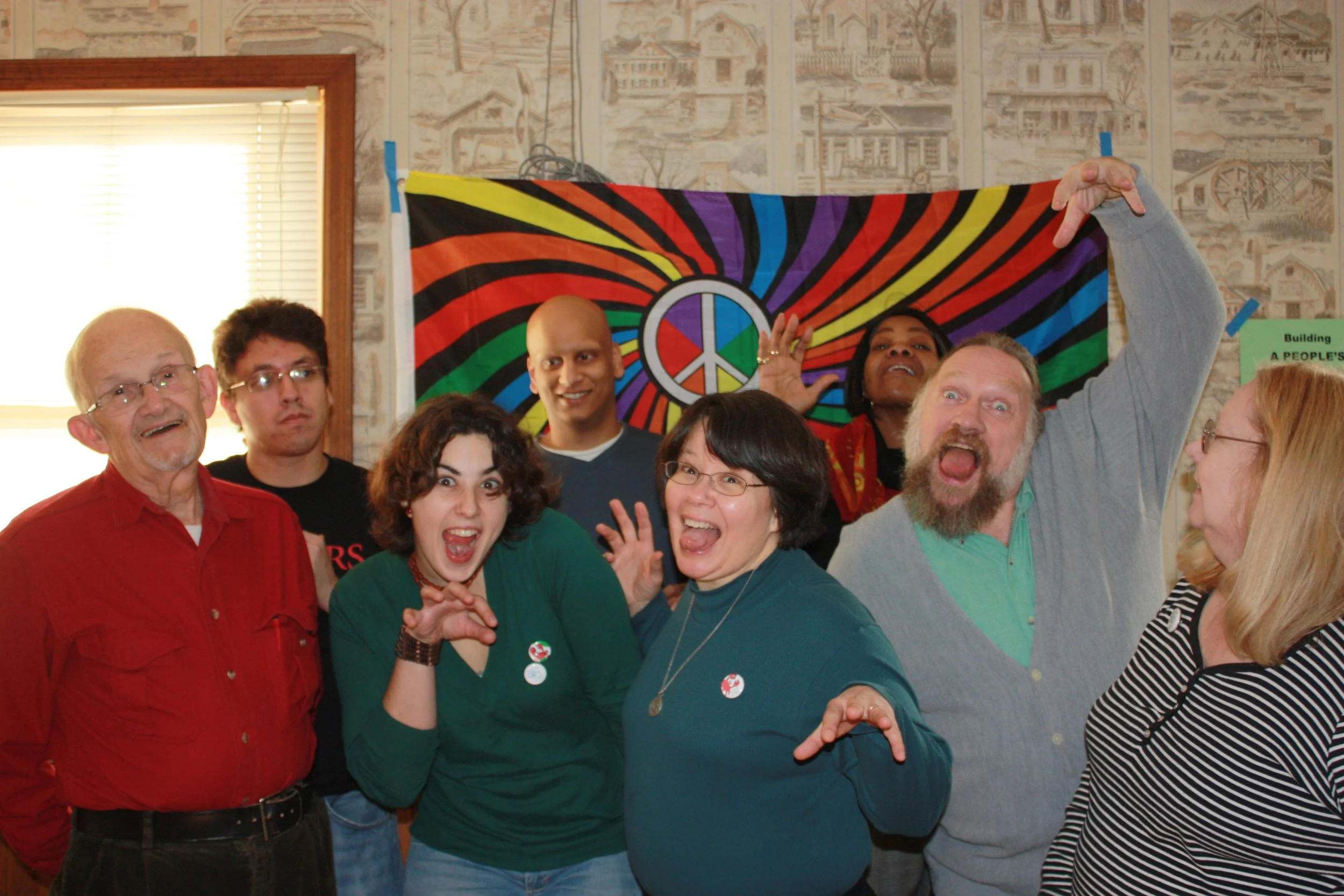
And we have fun
Our Trainings
Culture of Peace Samplers
Thirty to 90 minute sessions to introduce the process and content of CCP training
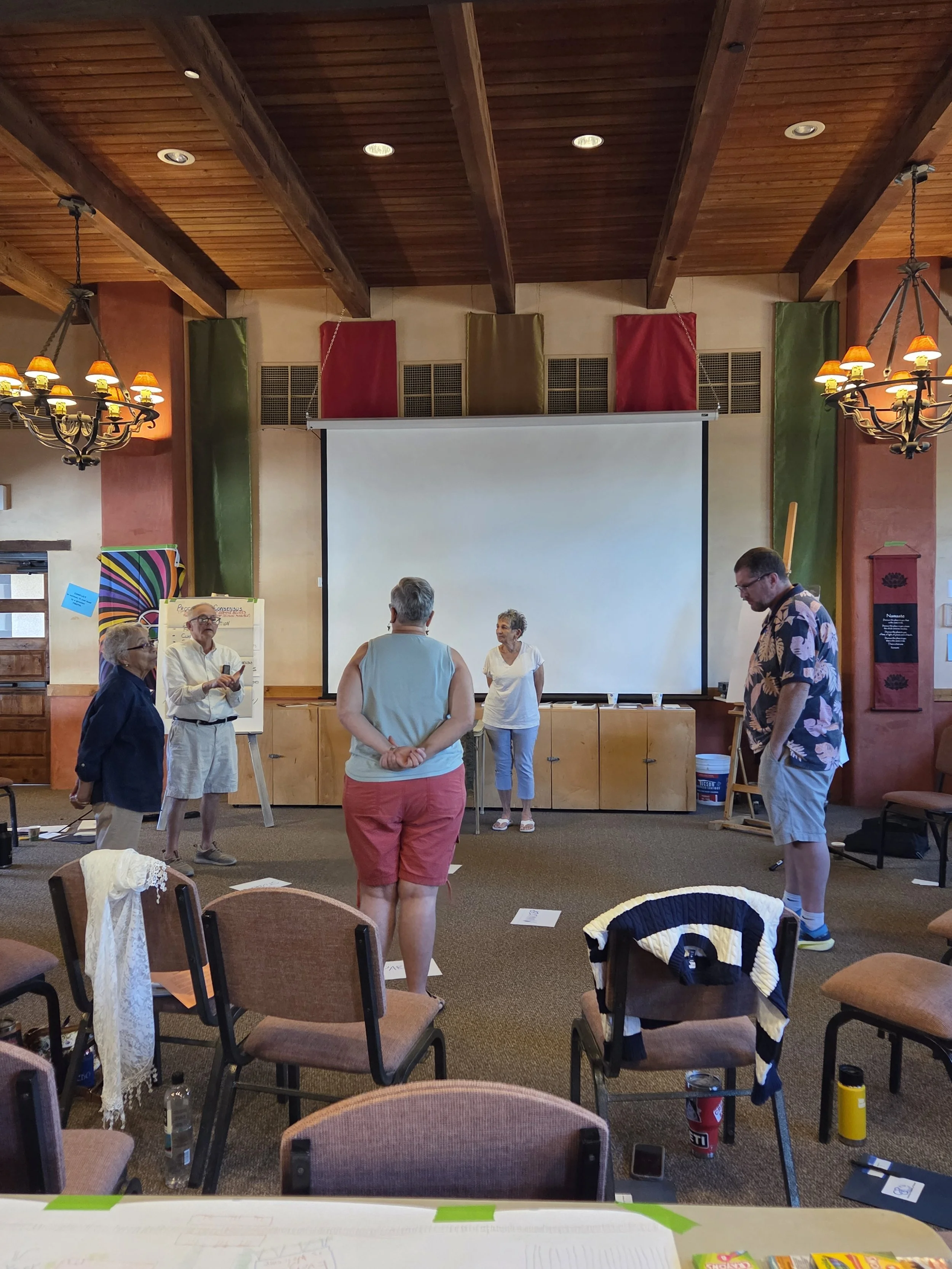
Participants engage in a variety of exercises which demonstrate the Popular Education model and introduce the content of CCP training
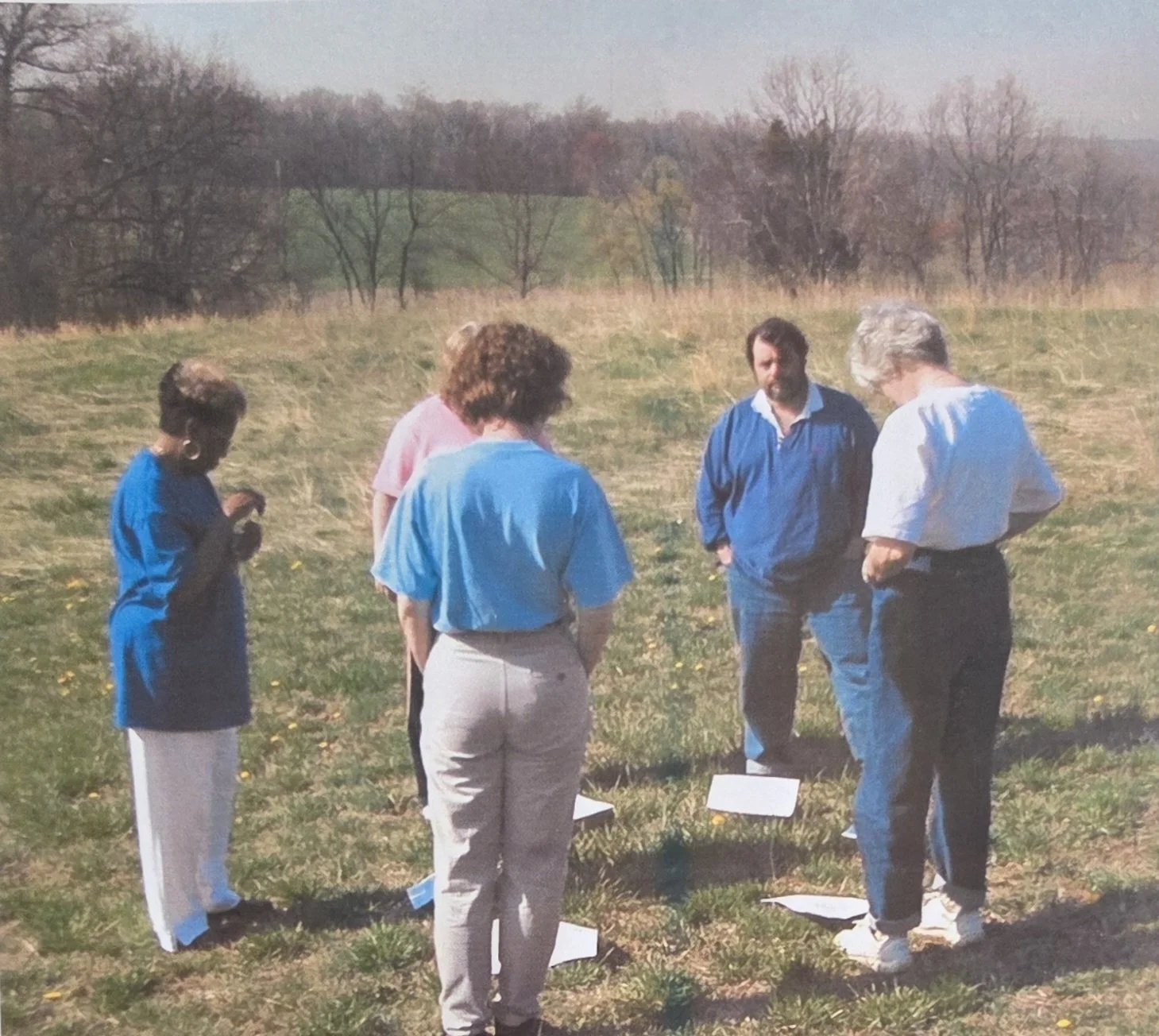
Samplers are designed with the interests of the community in mind
Follow us on Social Media
Facilitator Training
Training in facilitation skills with a focus on creating a learning environment that enhances the experience of each participant in training through Popular Education.
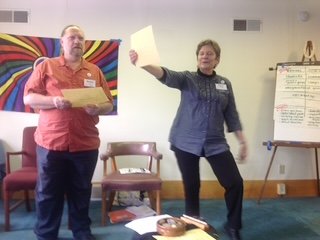
Facilitators learn to draw on the wisdom and experiences of each participant, build community, help to identify issues that participants wish to address and help develop actionable plans to address them
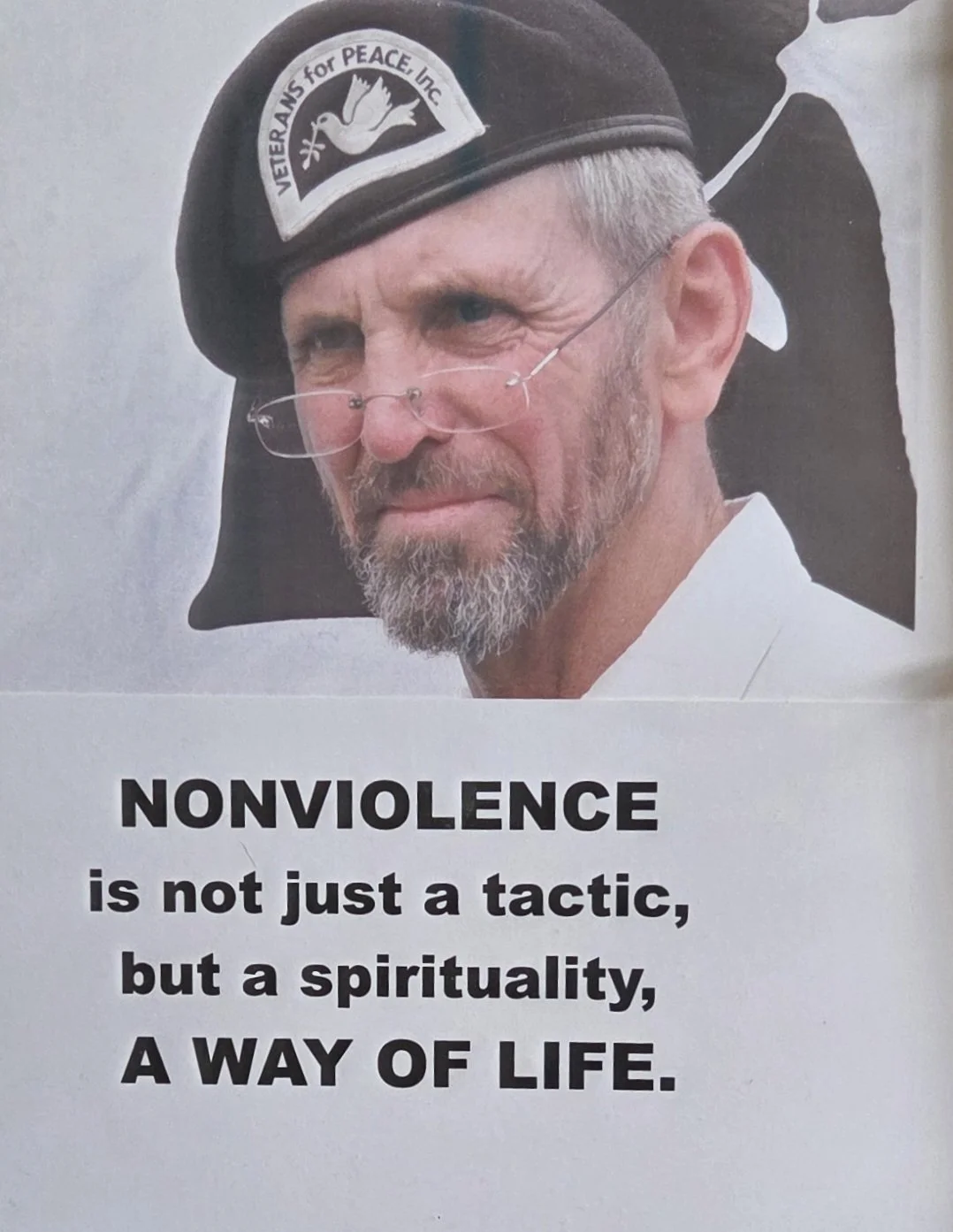
The spirituality and practice of nonviolence
About Creating a Culture of Peace
for personal and social change
Creating a Culture of Peace (CCP) is a nationwide program for community-based peacemaking. The innovative design of CCP provides a holistic and practical foundation in spiritually grounded active nonviolence. Participants come to recognize their own power for making personal and social changes without violence and improve their skills for respectful engagement with opponents, instead of confrontation that polarizes and demonizes.
Unlike trainings that focus only on anti-war protest, CCP training is an incubator for participants to raise issues which most concern them--group controversy and conflict, neighborhood violence, domestic violence, climate change, war and militarism, discrimination, homelessness, peace education, and health care.
The training is highly participatory and does not depend on reading a book or lectures. It draws upon the wisdom, experience and talents of all the participants and on the skills and knowledge of trainers. Mutual learning occurs through storytelling, meditation, small group sharing, brainstorming, role plays, thought-provoking exercises, music and movement. CCP offers training on nonviolence principles, analysis of social change and community-building, skills for peacemaking, and resources. Every group chooses and plans concrete projects for change.
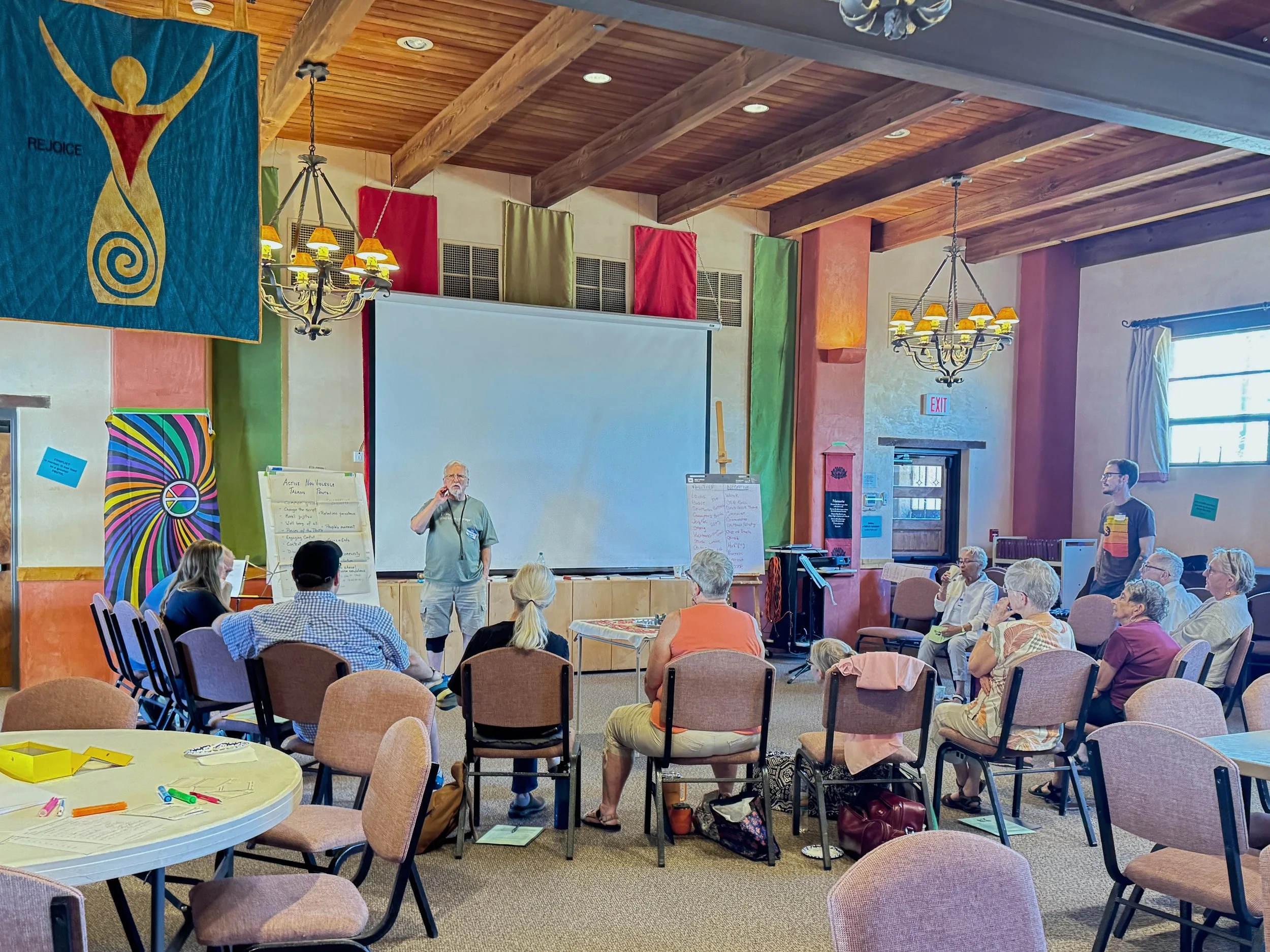
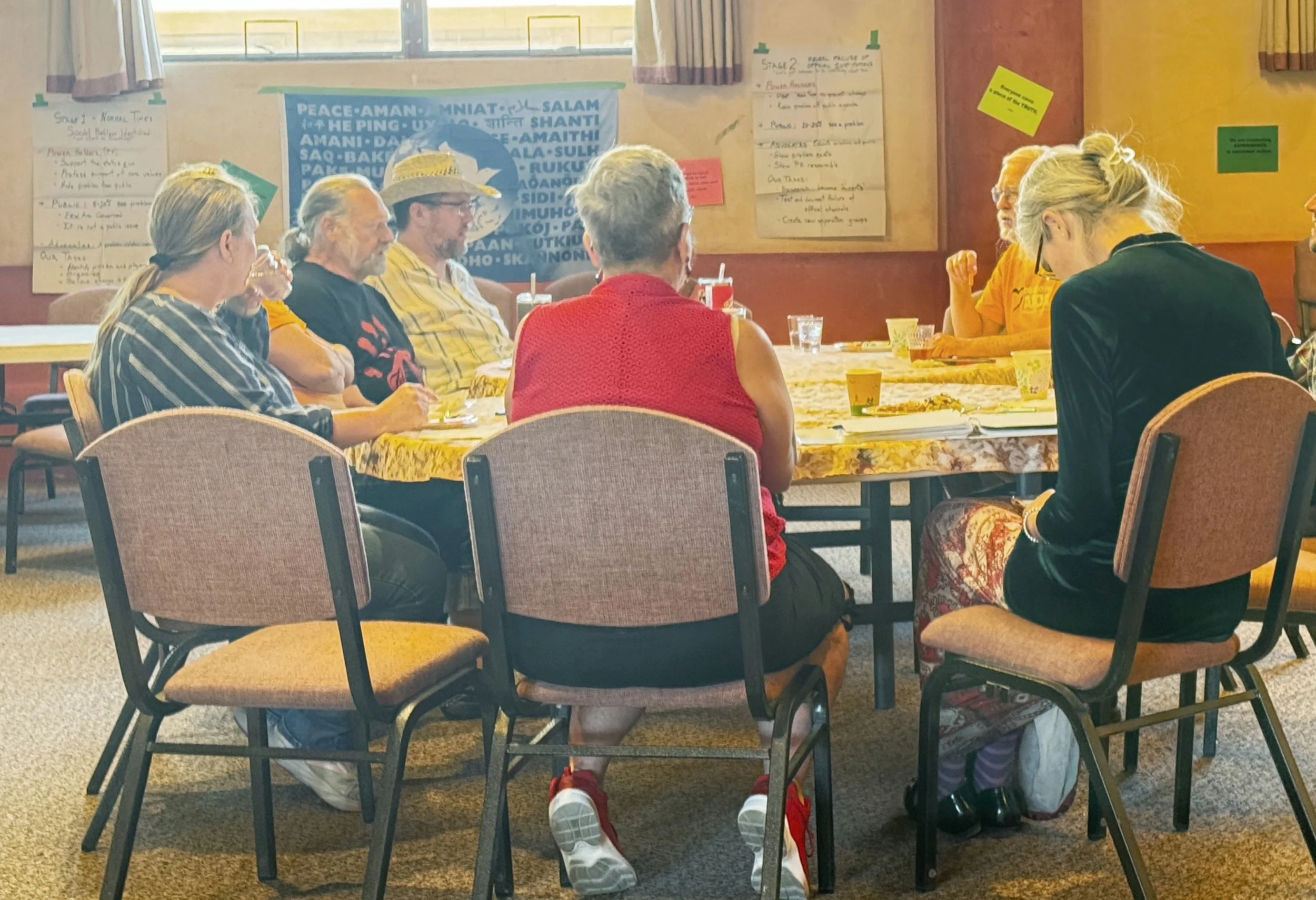
CCP emphasizes two forms of active nonviolence: Constructive Nonviolence, where we must put most of our time and effort, is about creating a just and peaceful culture by developing new relationships, new practices, and new communities. Nonviolent Resistance includes actions like petitions, rallies, boycotts, and civil disobedience to oppose injustice and oppression. Both forms are enhanced by increased participation from ordinary people in various roles
Creating a Culture of Peace is offered in communities across the country. CCP has traveled to 36 states and Palestine, trained thousands of participants and 300 trainers, and was adopted by national and regional faith groups and Veterans for Peace. Janet Chisholm is the founder of the program and its former Executive Director. The CCP program reflects her experiences in anti-poverty work, religious education, teaching children and university student teachers, peace activism and collaboration with other trainers. She was inspired and challenged by her faith tradition; the cloud of witnesses for peace, and her six years at the Fellowship of Reconciliation as its executive director and nonviolence training coordinator
CCP Action Projects
Community Bicycles: make free bikes available at depots around town -- to build community. raise awareness about auto pollution
Community Nonviolence: raise money to send 5 people to CCP Facilitator Training --- to increase nonviolent community activism to address injustice & violence, to lay a common foundation for action & to build community
Military Families to Meet Bodies Arriving from Iraq : research the official policy; seek allies among military families, political representatives, military chaplains, 9-11 families, churches, media
Street Theater on the Patriot Act. he "Freedom Calls" group will involve actors, script writers media, researchers, & costumers to perform at Hollywood and Highland in L.A.; develop flyers and a web site, talk with police and city officials, work with Indymedia, ACLU, and faith observers ---- to provoke thinking and action
Schools Teaching Nonviolence: form an effective, secular coalition to approach schools, and in 2 years get at least 5 schools to teach nonviolence
LGBTQ Full Inclusion: support area LGBTQ coalition and be effective allies, offer assistance in fund-raising; arrange dialogues with opponents; design church bulletin inserts; send support letters to gay community contacts.
Radio Station: begin a web cast radio --- to discuss issues of conflict and injustice and about active nonviolent responses; to provide an outlet for individuals, especially youth, to speak to the community; to build community
Counter Recruitment in High Schools: get literature and "the pitch" from recruiters; gather resources on alternative service; in '04-'05 school year inform parents on rights to privacy and withholding student names from recruiters ---- -give students equal access to information on alternative service, college financing, and options to military service.
Youth CCP peer workshop: Episcopal youth 2 weeks later offer a CCP workshop for 70 more youth in the Diocese
Stop Oil Drilling in Neighborhoods: promote residents' legal rights; raise awareness of risks; plan a response to more drilling if oil or gas are found
Mother's Day Proclamation & Celebration: work with Quakers & media to hold an event where the stirring Proclamation is read; use the effort to support development of a local peace network.
What We Do
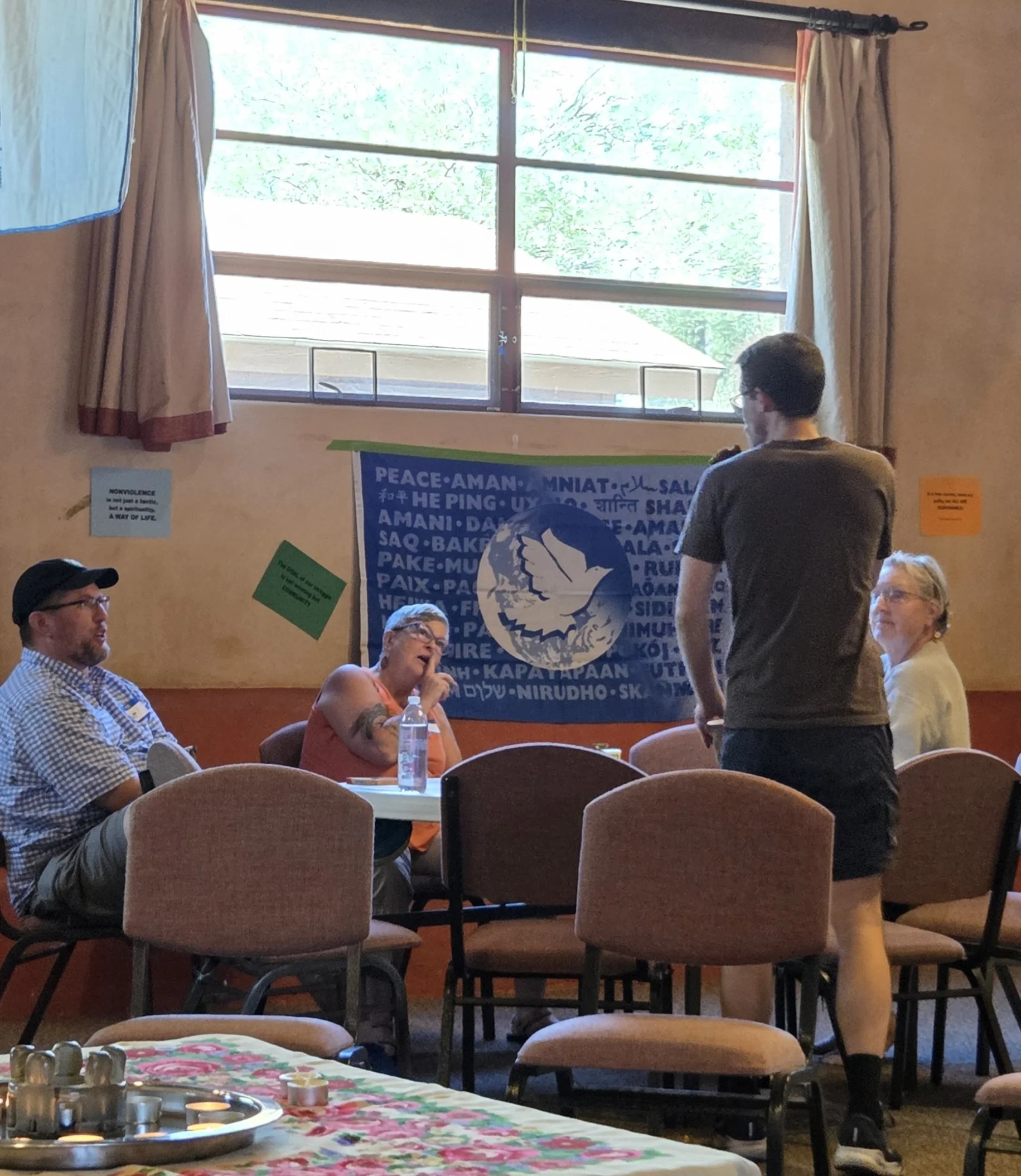
Using a process based on group consensus each group selects and designs projects to address issues that they have identified in their communities.
From June 2025 training in Tucson Arizona
Three projects were developed. The first project grew from an experience that recurred throughout the training. Someone would comment on something that a community group was doing, and others would respond “I didn’t know that.” It became clear that there is a lot of activism going on in Tucson that people don’t know about. This project will collect information about the different groups that are active in the community and what they are doing, organize the information, create a database, disseminate the information to those organizations, and keep the information updated.
The second project will take food and information about services to unhoused persons where they are. Many people are hesitant to come to churches or other agencies for assistance. This project will seek to reach those folks who otherwise might not receive assistance. While providing nutritious food is a priority, it is also important that they will be providing information about services that are available.
The third project will seek to assist people coming out of incarceration to reintegrate into society. They will gather information about what is currently being done by various agencies in terms of housing, employment, job training and other education opportunities, health and mental health services. Once the information has been gathered, they will determine how to assist in providing linkage between individuals and agencies. They will determine what they can do to provide guidance and assistance in negotiating the various systems that they will encounter.
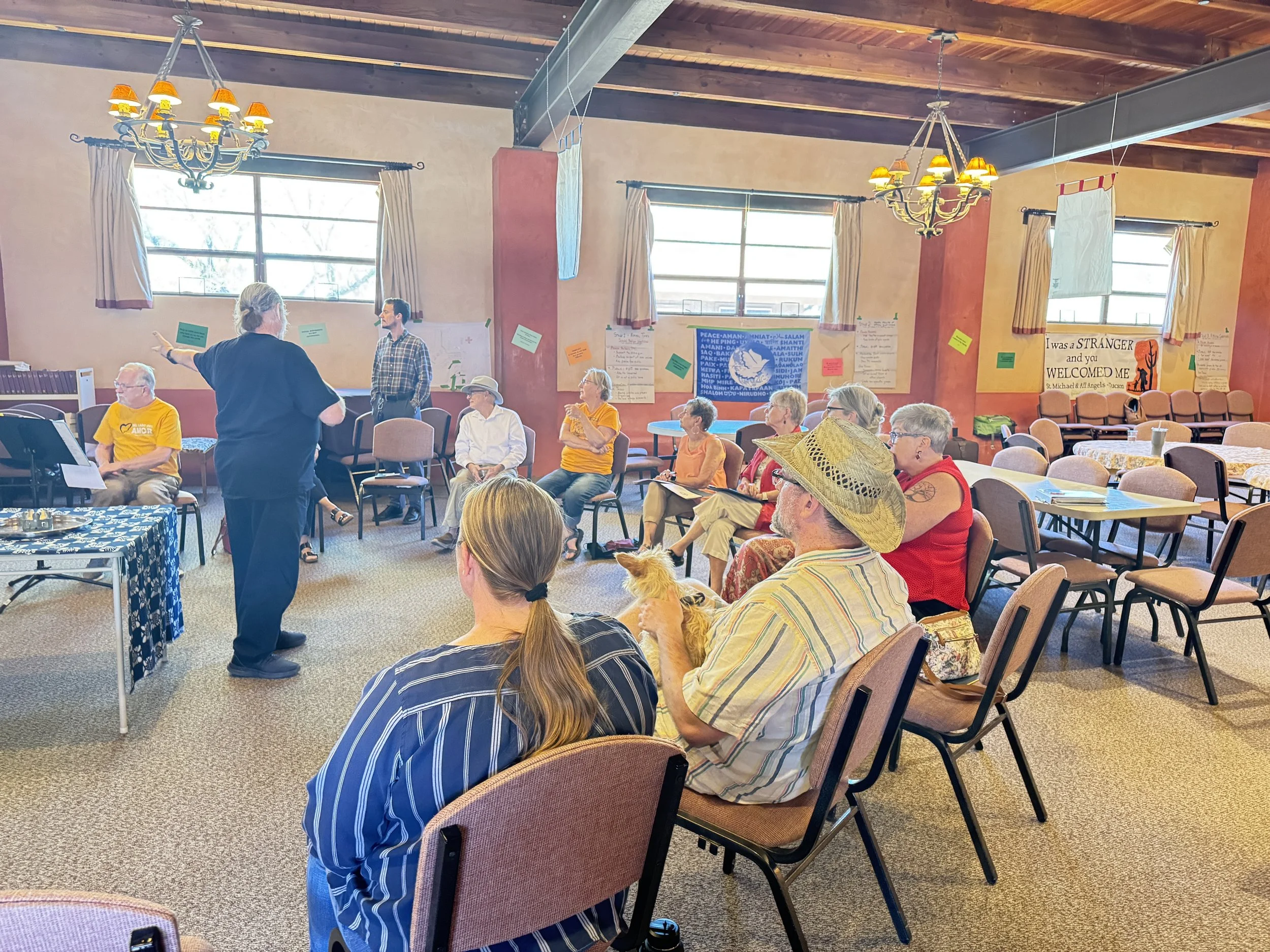
From February 2026 training in Tucson Arizona
To go bags: Will work with faith communities and other nonprofit organizations to provide packages of nonperishable food items, toiletries, and other small necessary items as well as information about services for people in need, for congregants and other members of those organizations to take with them to distribute to people that they encounter.
Reading assistance: Will work with nursing homes and other organizations to provide live reading to people who are visually impaired or isolated for other reasons. This provides not only a live listening experience but also companionship at the level that the person desires.
CCP Action Projects
Conflict Literacy: create a pilot school program in Albuquerque
Nonviolence Coalition: create a central resource for nonviolence education
Homeland Security: raise gun violence awareness and work for gun restrictions while protecting hunters' rights
Health Editorials: promote health care by writing guest editorials
TN Bottle Bill: promote the bill to groups; educate; advocate with legislators
the
Shalom Now: create "No Place for Hate" committees in 3 Cape Cod congregations and spread concept
CCP Cape Cod: present CCP to organizations; establish a task force; seek funding
CCP in Maine: plan CCP in 2009 for the Maine Episcopal Diocese
Creative Peace: work with artists to create a peace event
Celebrating Diversity: hold monthly meetings with meditation & diverse story sharing without critique
Rebuilding A New Iraq: advise and encourage Iraqi students to apply to U.S. colleges; this is educating potential Iraqi leaders
Peace & Health in Inner City: talk with drug gang members; start a listening group
Immigration Dialogue: form group to gather information and air different views
Operation Phoenix: create 2 videos pre- and post - the church conference on a decision about a gay pastor; support the pastor
Change the Annual Church Conference: urge a "reconciling church' conference
Tri-Yes (Youth Environmental Service): develop paid opportunities for youth after high school in the field of environmental direct action
Small, Sustainable, Personal, Vegetable Peace Gardens: Veterans for Peace chapter will develop, provide and plant these gardens for senior citizens, community groups and other individuals at a low cost of $35
Domestic Violence Legislation: draft legislation to provide resources and training addressing the highest incidence of domestic violence in the U.S., do research, lobby, and testify.
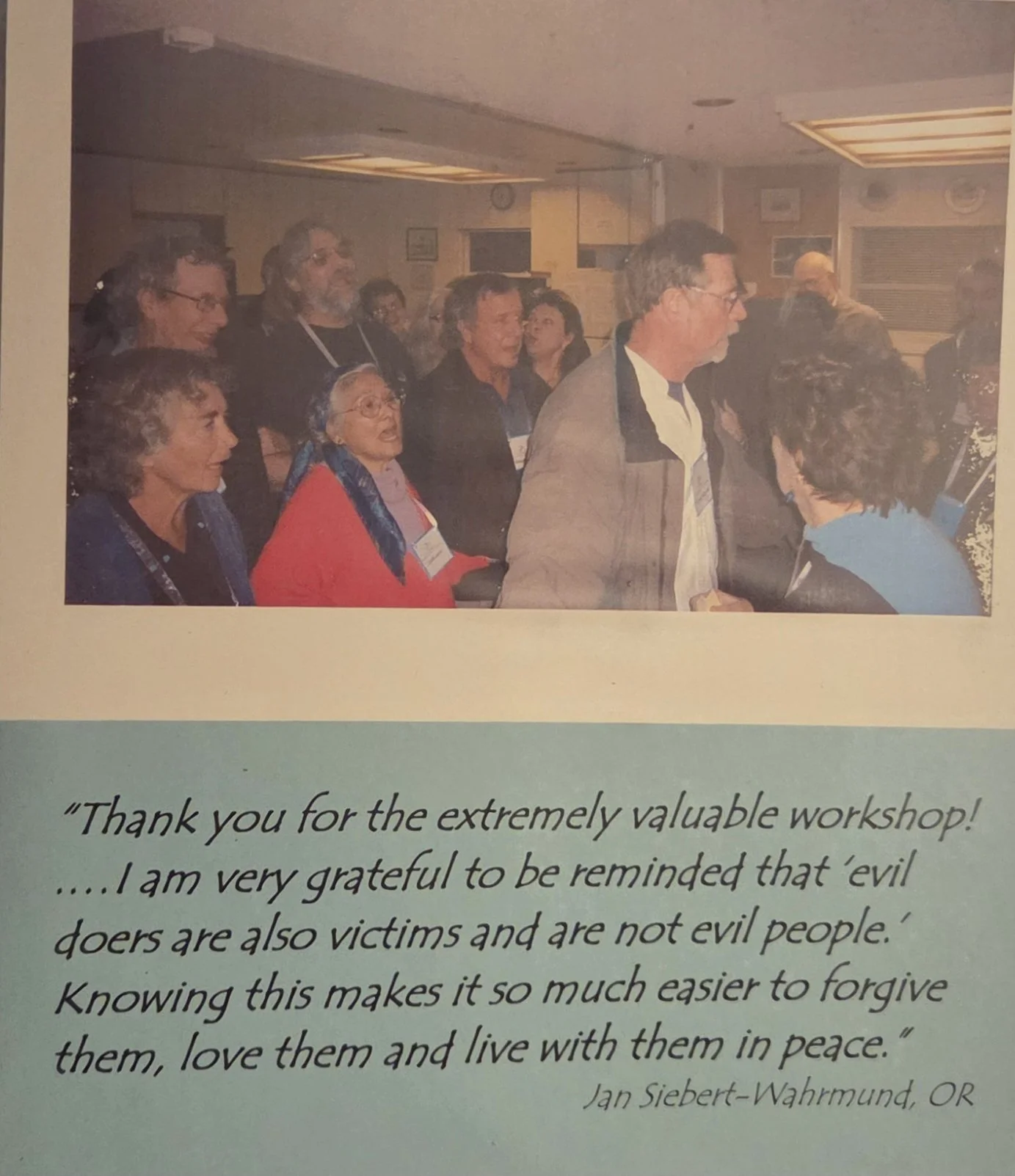
What People Are Saying
Contact Us
Interested in working together? Fill out some info and we will be in touch shortly. We can’t wait to hear from you!